This blog looks at Why Won’t My Car Start? The Hidden Winter Problems That Catch Drivers Out
Most winter starting issues come down to weak batteries, cold, thickened oil, damp ignition components, fuel system moisture or failing starters. This guide explains the real UK causes of Why Won’t My Car Start? how minor issues can escalate in cold weather, and what drivers can do to prevent a breakdown.
Why won’t my car start? is one of the most common questions we hear every winter at Tivoli Auto Services. Cold weather makes minor issues more noticeable, and many drivers only discover an underlying fault when temperatures drop. December is when we see the most significant rise in breakdowns caused by flat batteries, fuel delivery problems, damp ignition systems, worn starters, low oil levels and reluctant engines that only turn over slowly. What feels like a sudden problem often has a more extended history, and understanding why a vehicle will not start can help you avoid a costly repair or a roadside callout.
We have looked after local drivers in St Leonards-on-Sea and Hastings for over 20 years. During that time, we have seen countless vehicles that would not start on cold mornings, even when they had run fine the day before. This guide explains the causes of a vehicle not starting, why UK winters make the problem worse, and how you can keep your vehicle reliable through the colder months.
Why cold weather exposes problems that summer hides
Cold weather thickens oil, reduces battery power, causes condensation, puts strain on electrical components and exposes underlying mechanical wear. When a car is overdue a service or is only driven on short trips, these issues become more severe.
A good starting point is to make sure your servicing is up to date. Winter faults often build up slowly. This is why regular servicing is the most effective way to prevent a car not starting situation later.
1. Battery weaknesses: the top reason a car will not start in winter
A weak battery is the most common reason behind why wont my car start. As temperatures fall, batteries lose a significant amount of cranking power. When engine oil is thicker than usual, the starter requires more effort to turn the engine, further draining the battery.
If you notice slow cranking, dim dashboard lights or a clicking noise when turning the key, a battery check is essential. Tivoli offers comprehensive diagnostic testing, including battery health reviews. A simple winter battery test can prevent a breakdown at the worst possible time.
2. Starter motor problems: why your car will not turn over
If the battery is healthy but your car refuses to turn over, the issue may be the starter motor. Cold weather increases resistance, and worn brushes, solenoids or wiring faults become more noticeable. If you hear a single click with no cranking, this is a classic sign.
Starter faults often show up alongside other electrical issues. A diagnostic check at Tivoli provides a clear answer.
Replacing a starter early is far cheaper than waiting for a total failure and recovery callout.
3. Fuel system issues: why a vehicle does not start after sitting overnight
Diesel and petrol fuel systems react badly to moisture during winter. Condensation forms in cold fuel lines, making it harder for engines to create the correct fuel vapour on start up. Diesel engines can also struggle with old glow plugs or thickened fuel.
If your vehicle starts once the day warms up, moisture or a partially blocked filter may be to blame. A winter service will include checks that prevent this slow build up. Keeping the tank at least half full also reduces condensation.
4. Damp ignition systems: why your car will not start in wet weather
Wet and damp UK winters cause ignition components to absorb moisture. This affects coils, plugs and leads, especially in older vehicles. If the engine cranks fully but refuses to fire, damp ignition parts are often responsible.
Signs include misfires, rough idle and failure to start after rain. As part of a full service, ignition components are checked and replaced if needed. Replacing worn plugs or coils is far cheaper than a roadside breakdown.
5. Sensor faults and engine management issues
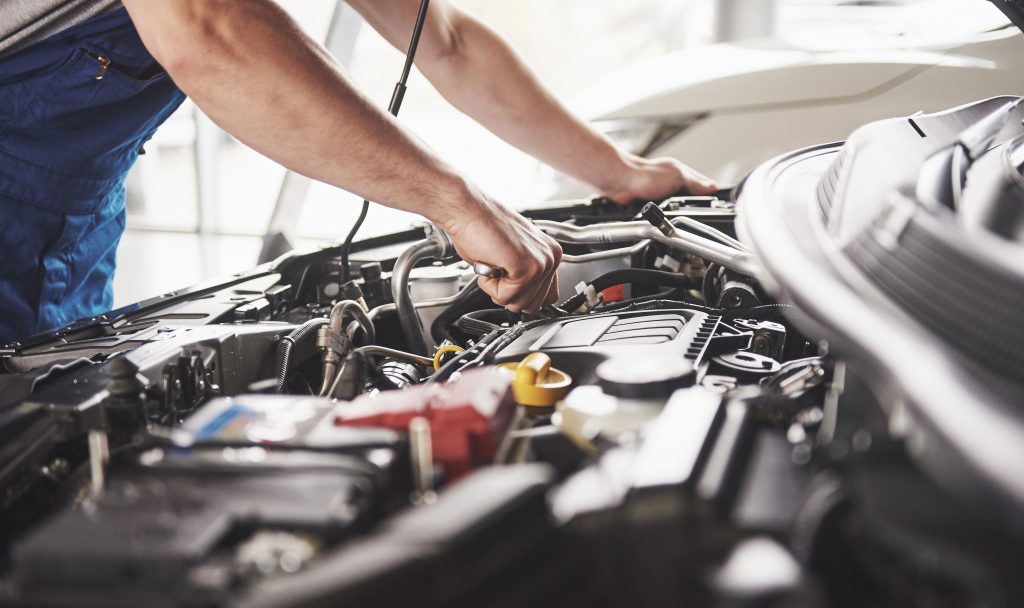
Modern engines rely on critical sensors that determine fuel mixture, timing and idle control. Failing coolant sensors, crankshaft sensors or incorrect temperature readings can prevent the engine from starting. Low battery voltage in winter can also trigger false errors.
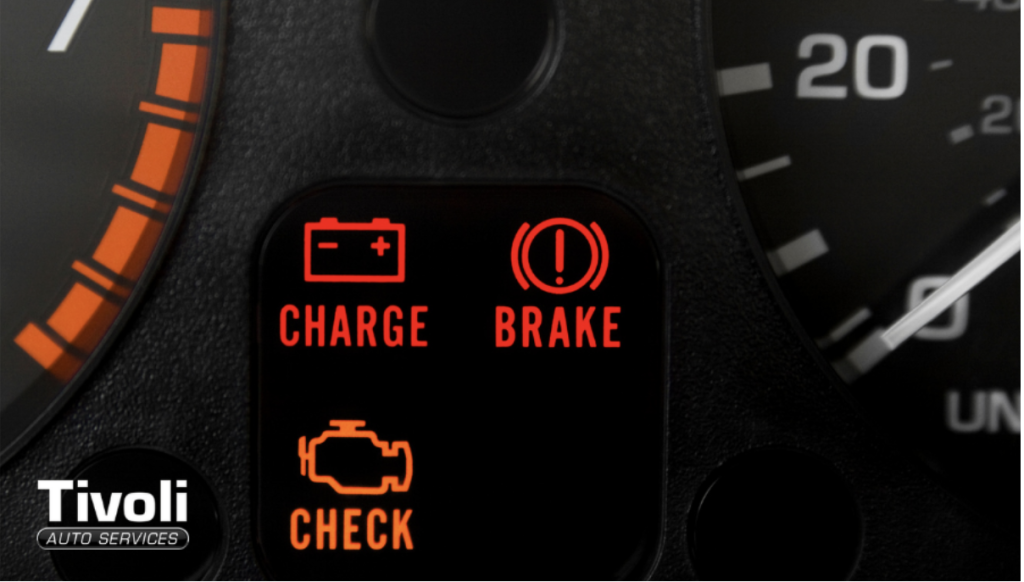
If you see a warning light or starting becomes inconsistent, diagnostics will pinpoint the exact cause. Sensor faults are often inexpensive to repair when caught early.
6. Thickened oil and overdue servicing
Cold temperatures increase oil viscosity, making the starter motor work harder. If oil has not been changed in a long time, the engine may become sluggish or fail to start. Delayed servicing is a major contributor to winter beginning issues.
Fresh oil reduces wear, improves cold-start performance, and helps keep the engine healthy.
7. Electrical loads and short winter journeys
Drivers use lights, heaters, blowers and demisters far more in winter. These increase the electrical load on the car, while short journeys around Hastings or St Leonards do not provide enough charging time. Over several days this leads to a battery with insufficient voltage to start the engine.
If your battery is draining quickly or the car only just starts, diagnostic testing will identify the cause.
Electrical strain is one of the most overlooked causes of a vehicle starting problem.
8. When a no-start becomes a safety issue
Repeated failed starts can permanently damage the battery or starter motor. If your car refuses to start more than once, or only fires up after several attempts, book an inspection immediately.
Tivoli offers reliable, honest support backed by over twenty years of experience in car repairs and servicing. Do not wait for a breakdown to address these problems.
How Tivoli Auto Services helps you prevent winter breakdowns
We provide comprehensive diagnostics, winter servicing, battery testing, electrical inspections, starter repairs, ignition checks, and fuel system maintenance. Our team works with all makes and models and understands the specific winter challenges UK drivers face.
You will find us at:
TIVOLI AUTO SERVICES
100 Battle Road
St Leonards on Sea
East Sussex
TN37 7AG
01424 442277
Mon to Fri: 08:30 to 17:30 | Saturday: 08:30 to 12:15
FAQS about why won’t my car start?
1. Why Won’t My Car Start on a cold morning?
Cold weather reduces battery power, thickens engine oil and exposes faults that were hidden in summer. These conditions make it harder for the starter motor to turn the engine, and any weakness in the battery, fuel system or ignition becomes noticeable immediately.
2. Why does my car only crank slowly when the temperature drops?
Slow cranking is usually the first sign of a weak battery struggling against thick winter oil. As temperatures fall, batteries lose cranking power, and the starter has to work harder. A winter battery test is the simplest way to confirm the cause.
3. What does it mean if I hear a click, but my car will not turn over?
A single click often points to a failing starter motor or a low-voltage supply reaching it. Cold weather increases resistance in worn starter components, so faults that were not obvious in summer become much more noticeable in December.
4. Why will my car not start after heavy rain or frost?
Moisture affects ignition coils, plugs and leads, especially on older vehicles. If the engine cranks normally but refuses to fire, damp ignition components are a likely cause. Misfires and rough running can appear once moisture gets into the system.
5. Why does my diesel or petrol car start better later in the day?
Moisture in the fuel system can stop engines from starting first thing. As the day warms, fuel vapour forms more easily, and diesel engines cope better once glow plugs and fuel lines reach temperature. A partially blocked fuel filter can also worsen this.
6. Could overdue servicing cause my car not to start in winter?
Yes. Old, thick oil and worn ignition or filtration parts make cold starts harder. Winter exposes these issues quickly. Fresh oil and routine checks significantly improve starting performance and reduce the risk of a breakdown.
7. Why do short winter journeys cause starting problems?
Using lights, heaters, and demisters increases the electrical load, while short trips do not allow sufficient time for the battery to recharge. Over several days the battery voltage drops, which leads to weak cranking and eventual failure to start.
8. Why does my car show warning lights before failing to start?
Low battery voltage or failing sensors can trigger warnings, especially coolant temperature or crankshaft sensors. Modern engines rely on accurate readings to control fuel mixture and timing. When a sensor fails, the engine may refuse to start completely.
9. Should I worry if my car only starts after several attempts in cold weather?
Yes. Repeated failed starts can damage both the battery and starter motor. Problems that appear in winter rarely fix themselves. Booking diagnostics early prevents a roadside breakdown and avoids more expensive repairs later.
10. How can Tivoli Auto Services help if my car will not start this winter?
Tivoli provides diagnostics, battery testing, ignition checks, starter inspections, winter servicing and fuel system maintenance. With over twenty years of experience supporting St Leonards and Hastings drivers, the team identifies the cause quickly and keeps vehicles reliable through the colder months.