Driving in Winter Conditions: Stay Safe on the Roads with Tivoli Auto Services
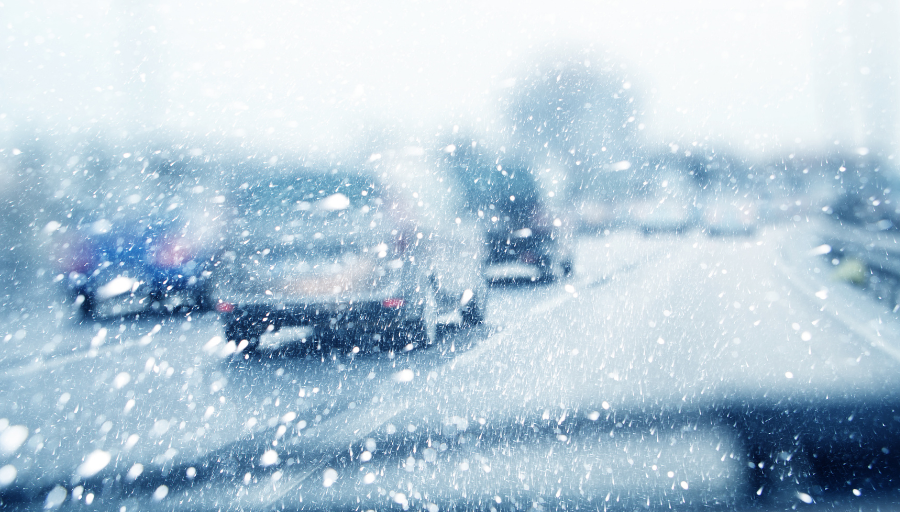
When temperatures drop and the weather turns, driving in winter conditions becomes more challenging for everyone. Icy roads, high winds, heavy rain and floods can quickly turn an ordinary journey into a risky one, and that’s why winter vehicle care and cautious driving are so important.
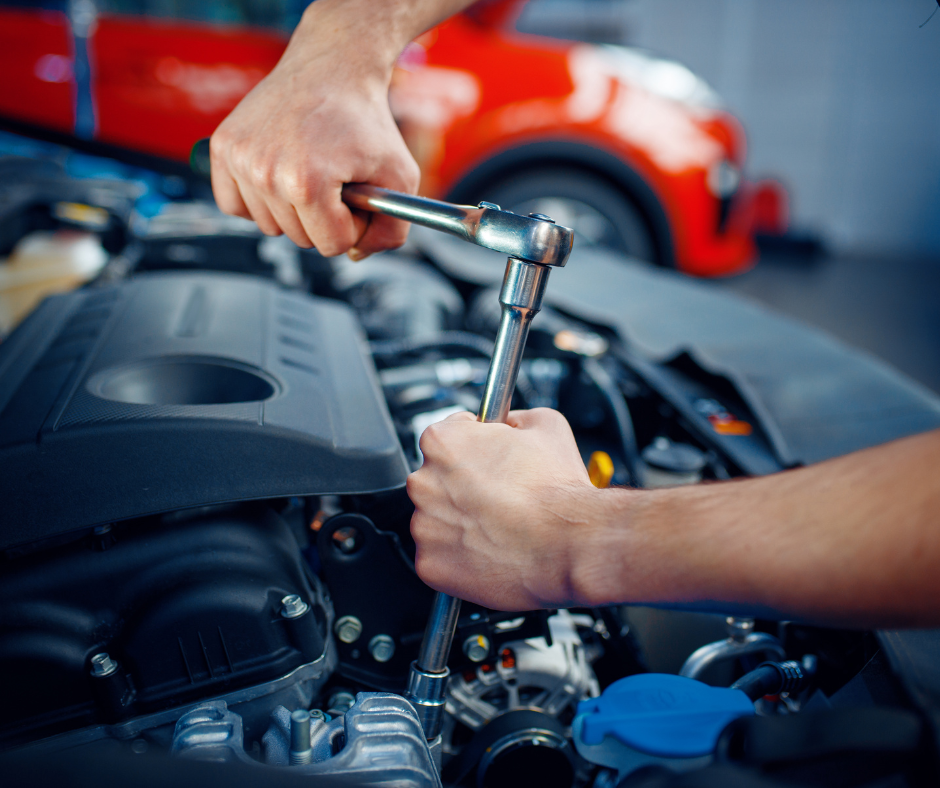
At Tivoli Auto Services, we help drivers across Hastings and St Leonards-on-Sea stay safe, prepared and confident in all conditions. Our technicians carry out comprehensive servicing and repairs, ensuring your tyres, brakes, fluids, and electrics are ready for whatever the weather brings.
This winter, a few small checks and some extra care behind the wheel can make all the difference.
Driving safely on icy roads
Ice is one of the most significant hazards during winter driving. Even a thin, invisible layer can cause a vehicle to lose traction.
According to the RAC, braking distances on ice can be up to ten times longer than on dry roads. The best approach is to anticipate hazards early and maintain a low speed. Accelerate, steer and brake as smoothly as possible to avoid losing control. If you drive a manual, using a higher gear will help reduce wheelspin and improve grip on packed ice.
Before setting off:
- Check your tyre tread depth – the UK legal minimum is 1.6 mm, but 3 mm or more is recommended for winter safety (source: RAC, 2025).
- Make sure tyre pressure is correct – cold weather can cause it to drop.
- Clear all windows and mirrors before you move off.
- Avoid sudden braking or harsh steering, and give yourself extra time for the journey.
Spotting and handling black ice
Black ice is hazardous when you are driving in winter conditions, because it’s nearly invisible. It forms when moisture freezes on the road, often in shaded areas, bridges, and flyovers where temperatures are lowest.
If your vehicle starts to skid:
- Steer gently in the direction of the skid (if the rear slides right, steer right).
- Don’t brake suddenly – this can make the skid worse.
- Allow the tyres to regain grip before gently slowing down.
Our technicians check your tyre condition and fluid levels to ensure your vehicle performs safely even when the temperature dips below zero.
Driving in heavy rain and floods
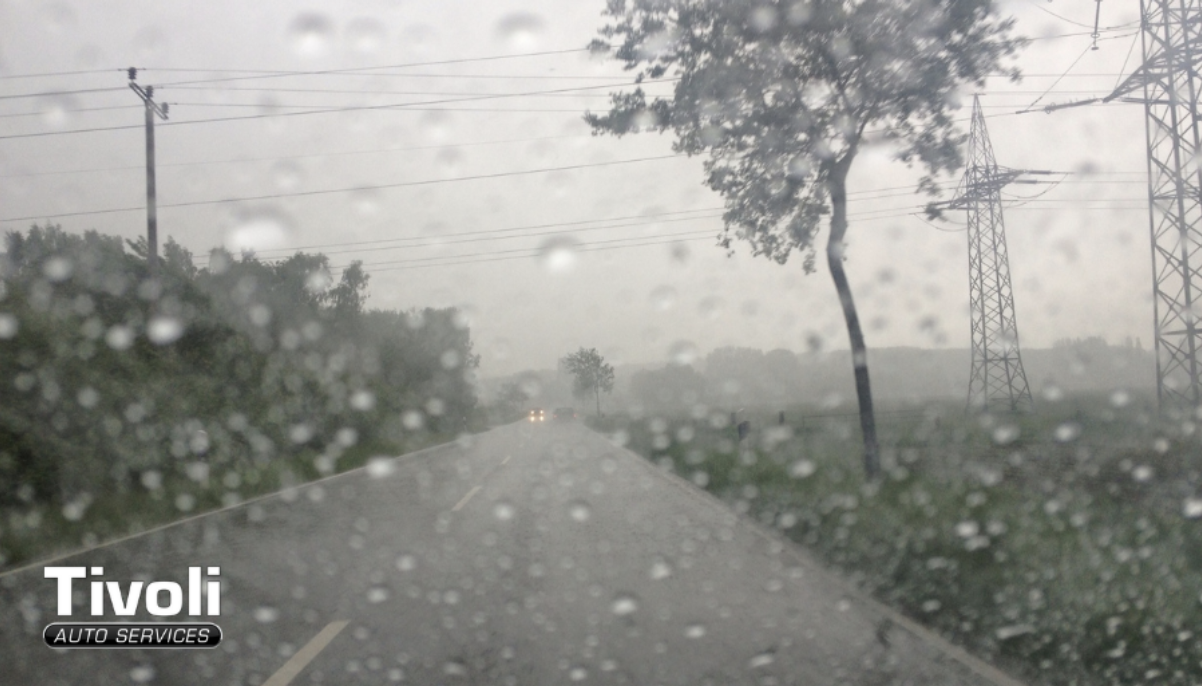
The Met Office reports that 9 out of 10 weather-related deaths and serious injuries on the roads take place in the rain, making wet-weather driving one of the most significant risks during winter.
When rain is heavy or persistent, visibility drops and roads become slick with oil, grit and water. Always slow down, use dipped headlights, and increase your following distance. The Highway Code advises doubling your stopping distance in wet weather.
Aquaplaning
If your steering suddenly feels light and you lose control of direction, you may be aquaplaning, when tyres lose contact with the road surface and skim over water.
To recover safely:
- Ease off the accelerator.
- Don’t brake or turn sharply.
- Wait until the tyres regain contact, then steer gently.
Driving through standing water
Flooding can appear suddenly after downpours. Even shallow water can damage your vehicle’s engine or electrics if entered too fast.
Follow these steps before driving through any water:
- Gauge the depth; if unsure, don’t risk it.
- Drive slowly in a low gear, keeping the revs steady to maintain momentum.
- Avoid overtaking and stick to the highest part of the road.
- Once through, lightly press the brake pedal to help dry the discs.
If your engine cuts out in deep water, don’t try to restart it; it may draw water inside, causing severe internal damage. Call for professional assistance, such as Tivoli Auto Services, instead.
At Tivoli Auto Services, we often see winter breakdowns caused by water-damaged engines, failed electrical systems, and blocked filters. A pre-winter service reduces these risks by ensuring your battery, alternator, and seals are in top condition.
Driving safely in strong winds
High winds can strike suddenly, when driving in winter conditions, especially on open roads, coastal routes, and bridges around East Sussex. They can cause vehicles to swerve or even lift slightly, notably lighter cars, high-sided vans and vehicles towing trailers.
Here’s how to reduce the risk:
- Drive slowly and avoid sudden steering movements.
- Keep a firm but relaxed grip on the steering wheel.
- Leave extra room when passing cyclists, motorcyclists and lorries, they’re more affected by side winds.
- Be prepared for gusts when overtaking large vehicles or exiting sheltered areas.
- If the weather becomes too severe, pull over safely and wait for it to pass.
Our technicians inspect suspension components, steering systems, and wheel alignment to ensure your vehicle handles predictably in challenging weather conditions.

Preparing your vehicle for winter with Tivoli Auto Services
Cold, damp weather doesn’t just affect driving; it also affects your vehicle. Batteries, coolant systems and brakes all work harder during the winter months. A Tivoli service helps prevent many of the issues that lead to breakdowns in freezing, wet or windy conditions.
Here’s what we include:
- Tyres: tread depth, pressure and condition.
- Battery and charging system: essential for reliable starts in the cold.
- Coolant and antifreeze: concentration checked for frost protection.
- Oil and fluids: including brake, power steering and screenwash.
- Wiper blades and lights: inspected for complete visibility and safety.
Even small things, like using winter-grade screen wash, can make a big difference when temperatures drop below freezing. We also recommend keeping emergency items in your vehicle, including a blanket, phone charger, high-visibility jacket, torch, and water, in case of delays or breakdowns.
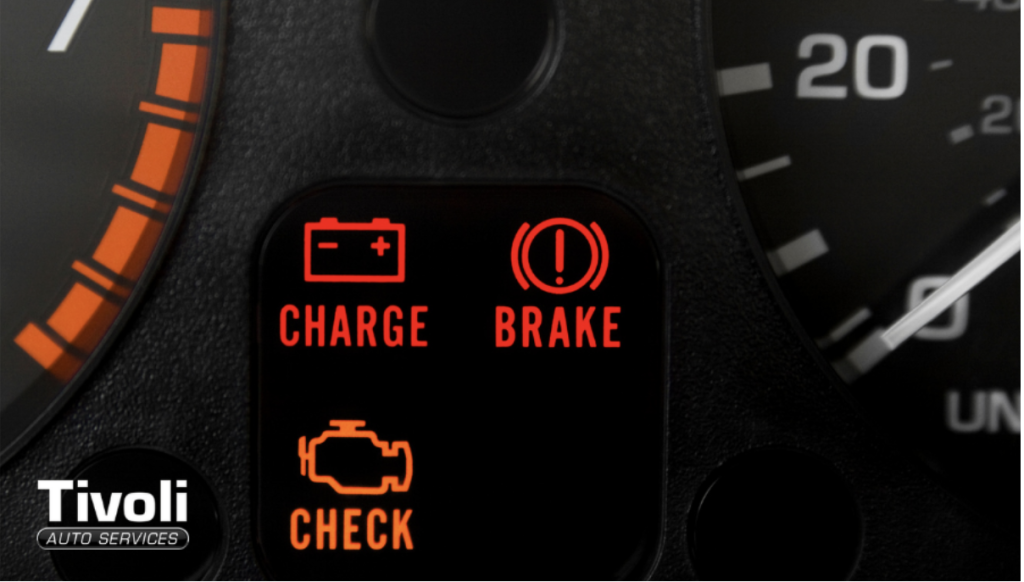
If you notice warning lights, uneven braking, low coolant or dim headlights, book in for a check as soon as possible. Preventive maintenance is always cheaper and safer than an emergency repair.
Why servicing matters even more in winter
Neglecting your service schedule may seem harmless, but cold, wet conditions can exacerbate any existing wear or faults. For example:
- Worn tyres lose grip much faster on cold, wet roads.
- Old brake fluid absorbs moisture, reducing braking efficiency.
- Tired batteries can fail suddenly after a frosty night.
- Corroded exhausts and suspension parts deteriorate more quickly in the presence of road salt and moisture.
By booking regular servicing at Tivoli Auto Services, you’re not only maintaining your vehicle’s reliability, but you’re helping to protect your family’s safety and preserving the value of your vehicle.
Your local experts for winter motoring
At Tivoli, we’ve been helping drivers across Hastings and St Leonards-on-Sea for years who are driving in winter conditions. Our experienced technicians understand how the South Coast’s winter conditions can affect different makes and models, and we’re equipped to inspect, service and repair all major vehicle systems.
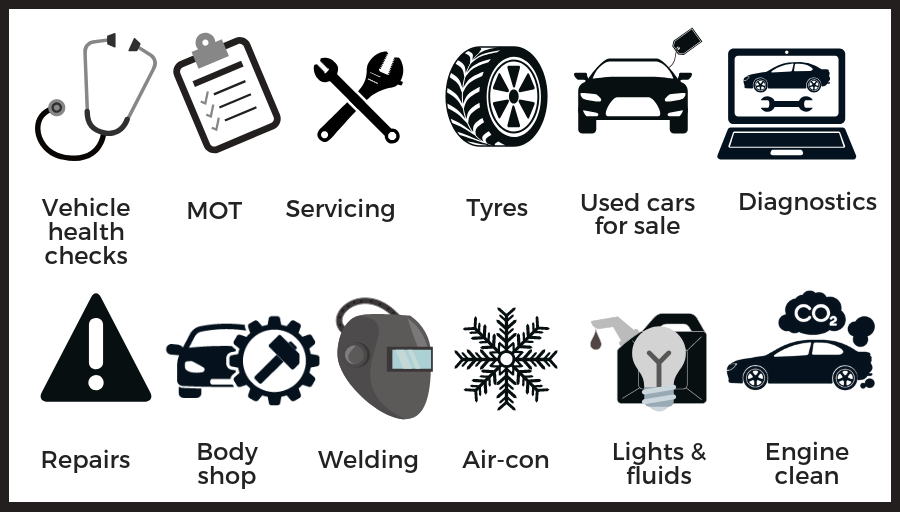
Whether you need an MOT, full service, or winter safety check, we’ll ensure your vehicle is performing as it should, so you can drive with confidence, no matter what the weather brings.
Book your winter service today
Don’t wait until the first frost or flood to find out something isn’t working correctly. Book your winter service now to stay one step ahead of the season.
TIVOLI AUTO SERVICES
100 Battle Road
St Leonards-on-Sea
East Sussex
TN37 7AG
📞 01424 442277
🕗 Mon – Fri: 08:30 – 17:30 | Saturday: 08:30 – 12:15
FAQs On driving in winter conditions.
1. How can I make sure my vehicle is ready for winter driving?
Book a pre-winter service at Tivoli Auto Services. Our technicians check your tyres, brakes, battery, fluids and lights to make sure your vehicle can handle cold, wet or icy conditions safely.
2. What’s the safest way to drive on icy roads?
Keep your speed low, avoid sudden movements and brake gently. If you drive a manual, use a higher gear to help reduce wheelspin. Always leave plenty of space between you and the vehicle ahead.
3. What should I do if my vehicle skids on black ice?
Stay calm. Steer gently in the same direction the rear of the vehicle is sliding and avoid harsh braking. Once the tyres regain grip, slowly bring your speed down and continue cautiously.
4. Why are tyre checks so important in winter?
Tyres lose grip faster in cold, wet weather. We recommend at least 3 mm of tread depth for winter conditions and correct tyre pressure, which our technicians can check during a service.
5. What should I do if I start to aquaplane in heavy rain?
Ease off the accelerator and don’t brake or turn suddenly. Wait for the tyres to reconnect with the road, then steer gently. Driving slower and keeping tyres in good condition reduces the risk.
6. Can I drive through flood water safely?
Only if you know it’s shallow. Drive slowly in a low gear and keep the revs steady. If you’re unsure of the depth, don’t risk it; it’s safer to turn back or call Tivoli Auto Services for advice.
7. How can I stop my vehicle from being affected by strong winds?
Slow down, hold the steering wheel firmly and keep extra space between you and other vehicles. Be ready for gusts when overtaking large vehicles or driving over bridges.
8. Why is winter servicing so crucial for batteries and brakes?
Cold weather makes engines and brakes work harder, and older batteries can fail after a frosty night. Regular servicing helps spot weak components early before they cause a breakdown.
9. What emergency items should I keep in my vehicle during winter?
Pack a blanket, phone charger, high-vis jacket, torch, snacks, and water. These simple essentials can make a big difference if you’re delayed or waiting for help.
10. How can Tivoli Auto Services help me stay safe this winter?
Our technicians provide full servicing and MOTs to keep your vehicle road-ready. From tyre inspections to antifreeze testing, we ensure your vehicle performs reliably in all weather conditions.